Understanding the Different Types of Senior Care: Respite Care, Home Health, Hospice, and More
When a parent or spouse begins needing more help, families often encounter a confusing list of terms: home health, home care, respite care, hospice, skilled nursing.
They sound similar, but they serve very different purposes. Understanding the basic differences can help you recognize what kind of support your loved one may need.
One important thing to know from the beginning is that these types of care aren't always exclusive. Depending on someone's health and circumstances, a senior may receive more than one type of care at the same time.
1. Home Care is non-medical and helps with everyday life
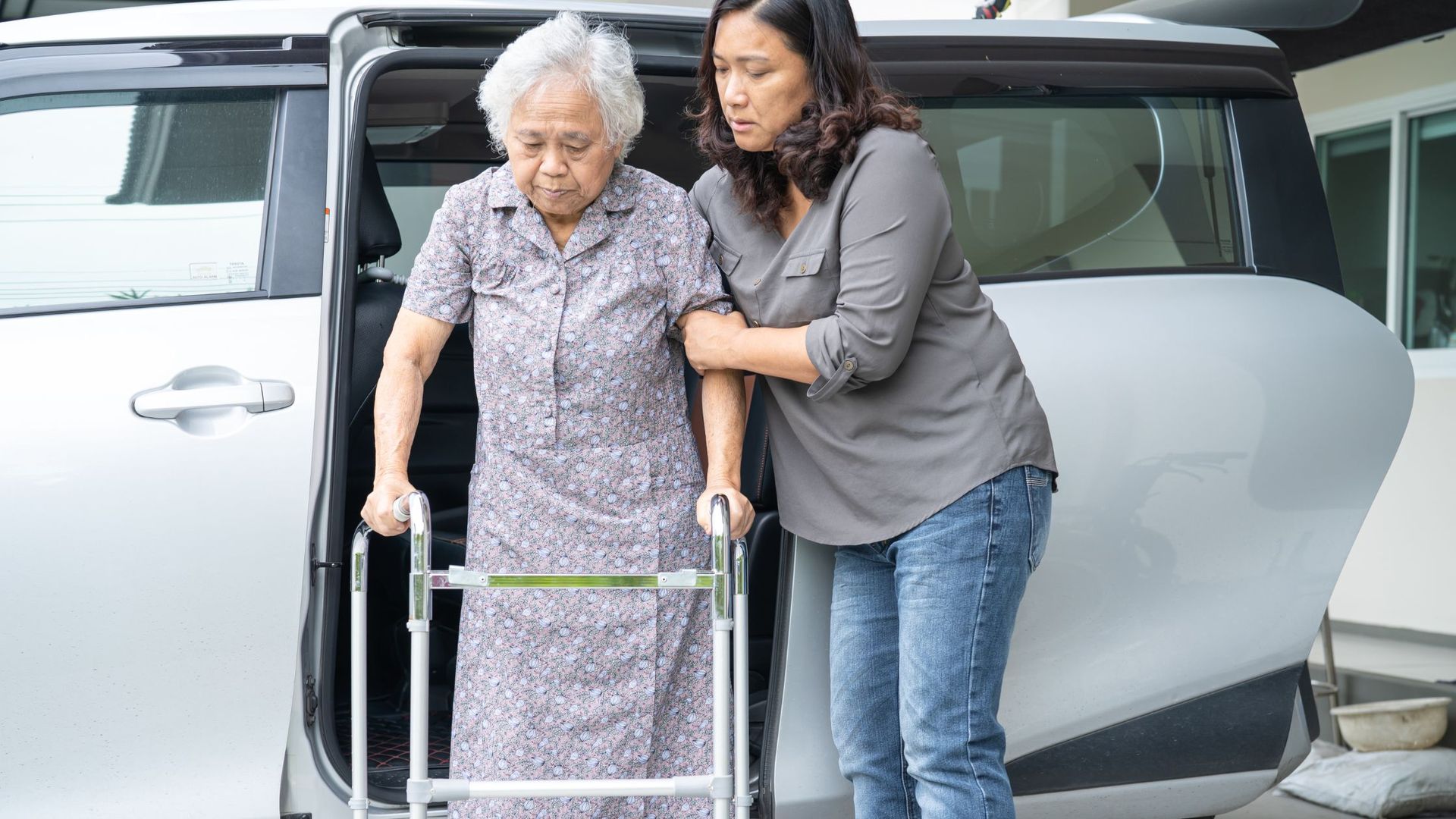
Home care can help with daily activities, safety, or companionship when medical care isn’t necessary. It’s important to note that Home Care (also called Personal Care) can easily be confused with Home Health. The key difference is whether your loved one needs medical assistance at home.
Home Care or Personal Care may include help with:
- Bathing and dressing
- Meal preparation
- Light housekeeping and laundry
- Transportation
- Mobility and fall prevention
- Medication reminders
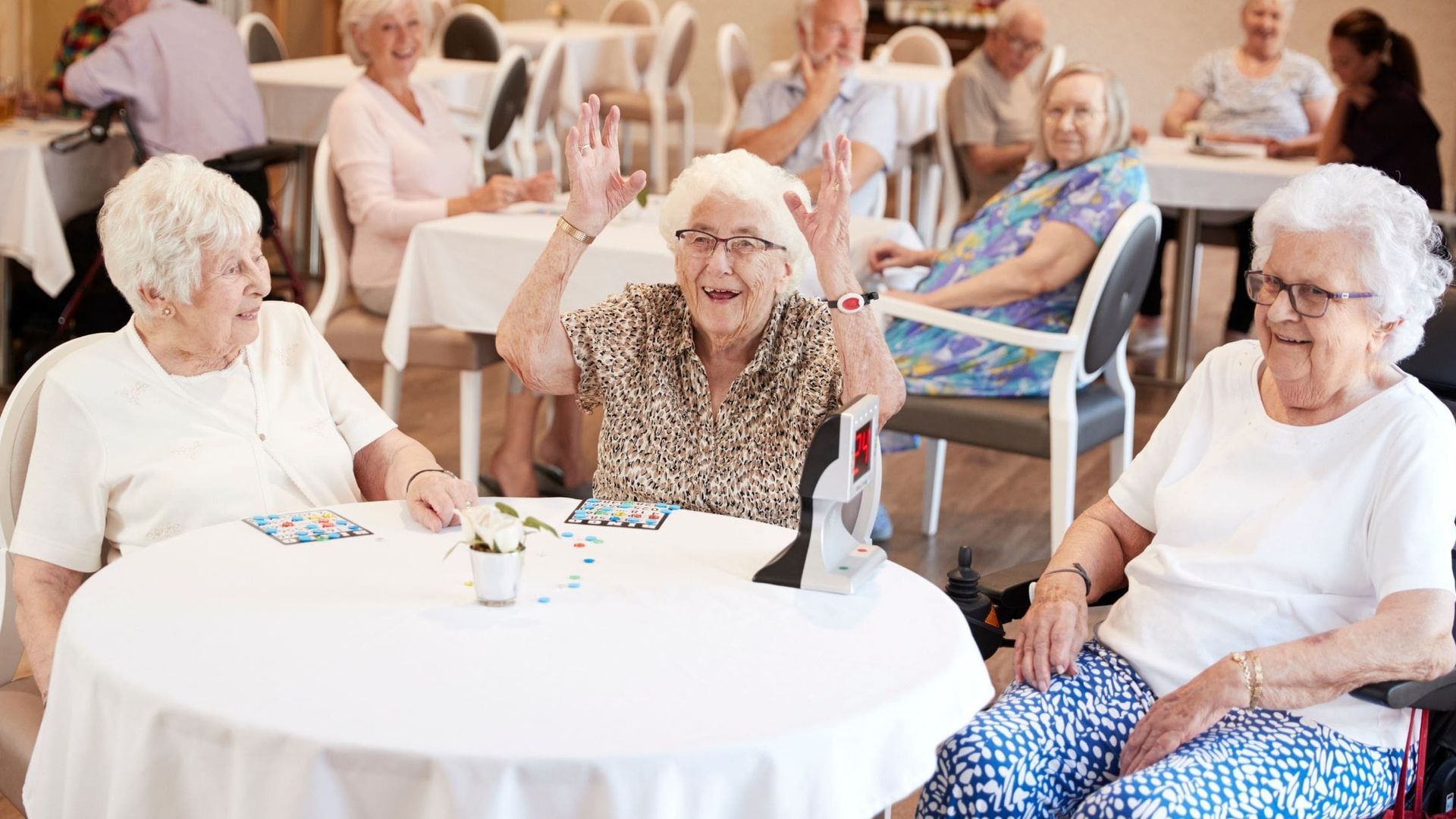
- Companionship
- Supervision
For example, a senior may be medically stable but struggling to safely shower, prepare meals, or get around the house independently..
At No Place Like Home Senior Services, home care is our specialty; whether it’s starting with just a few hours a week or transitioning to full-time care as needs grow.
2. Home Health provides skilled medical care at home
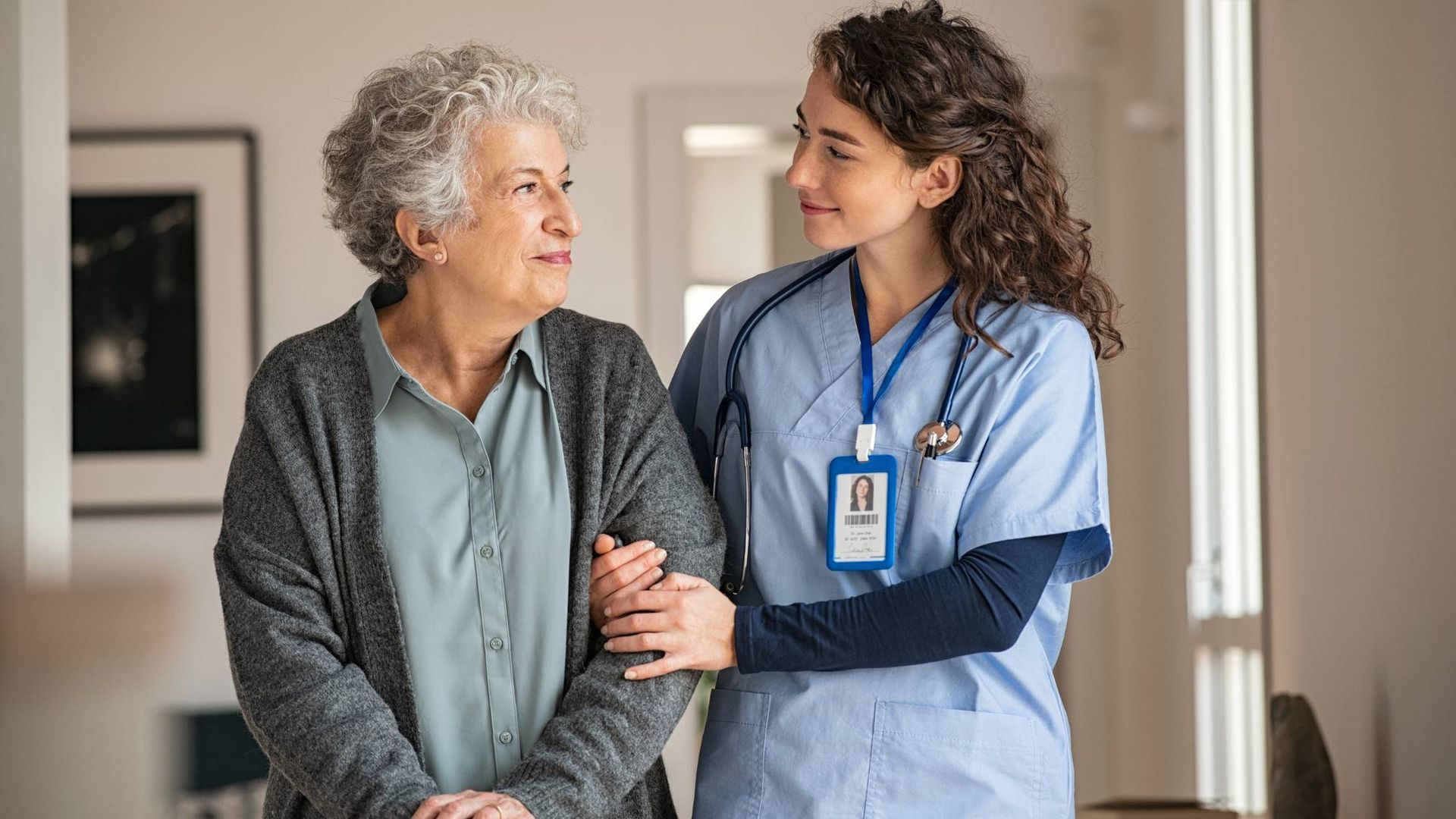
A doctor may order home health when someone is recovering from an illness, surgery, injury, or other medical condition and needs services such as nursing or therapy.
Depending on the situation, home health may include:
- Skilled nursing such as IV medications, wound care, and monitoring vitals
- Physical therapy
- Occupational therapy
- Speech-language therapy
- Other medically necessary services
Medicare may even cover certain home health services when specific requirements are met.
3. Skilled Nursing or Rehabilitation provides intensive short-term care
It's important to distinguish short-term rehabilitation from long-term nursing home care. A skilled nursing stay can last a few days up to several weeks.
A senior recovering from a serious illness, surgery, stroke, or injury might receive:
- Physical therapy
- Occupational therapy
- Skilled nursing for monitoring vitals, surgical after-care, and medication administration
Our trusted partners: UNC Rex Rehabilitation and Nursing Care Center of Raleigh, Bella Rose Nursing and Rehab, and Peak Rehabilitation Center.
4. Hospice focuses on comfort and quality of life
Hospice supports both the individual and their family near end-of-life, providing comfort and symptom management.
Services can include nursing care, medications and equipment related to the illness, social and emotional support, and help for family caregivers.
Hospice does not necessarily mean someone has to leave home. Routine hospice care can often be provided in the comfort of their own home.
Our trusted partners: Transitions LifeCare, Gentiva Hospice of Garner and Clayton, and Heartland Hospice.
5. Respite care gives family caregivers a break
Respite care supports the caregiver.
A spouse or adult child may be providing most of the care but needs someone trustworthy to step in for a few hours so they can:
- Go to work
- Run errands
- Attend an appointment
- Spend time with other family members
- Rest and recharge
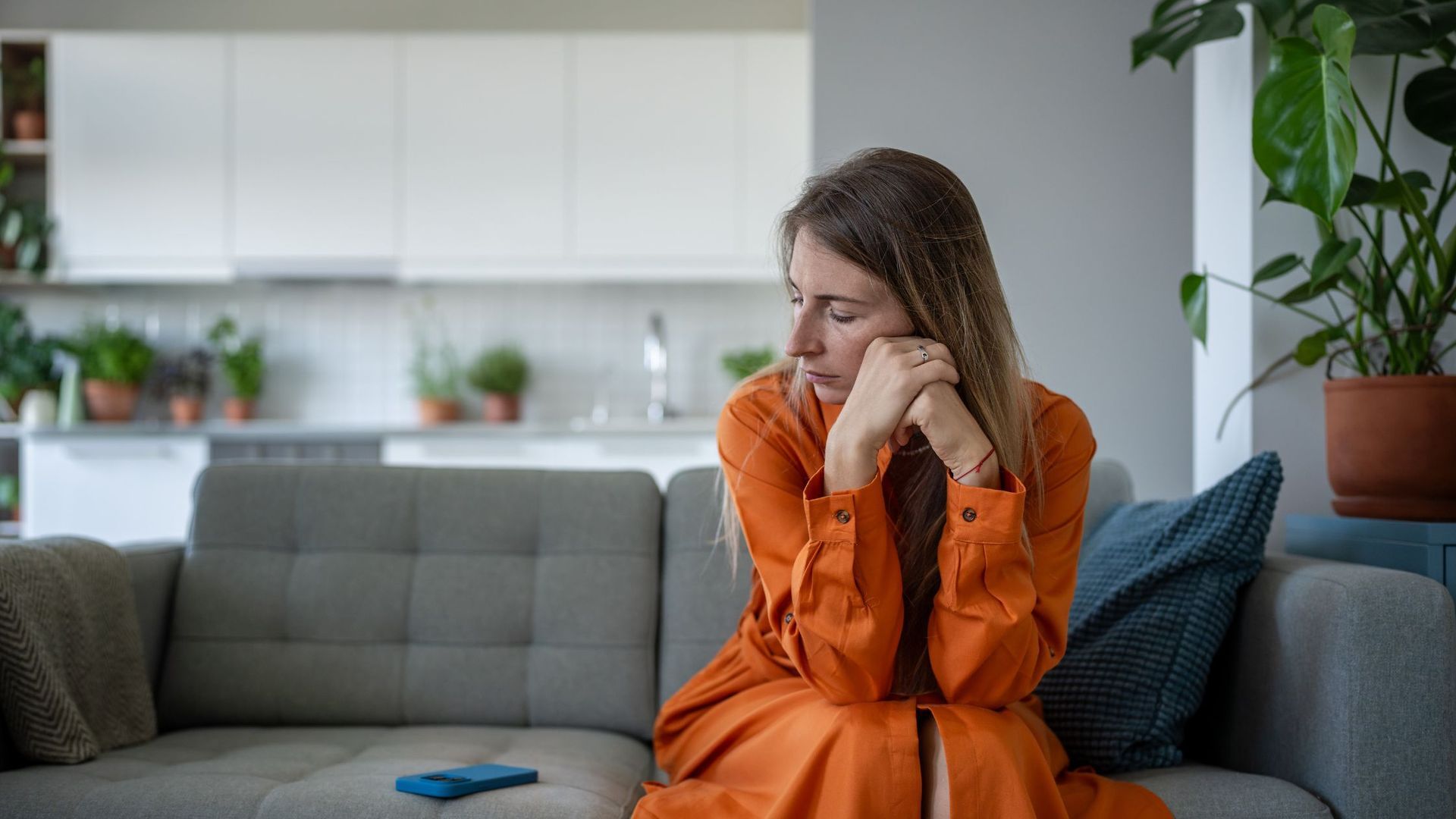
Respite care can be especially valuable when caregiving is becoming physically or emotionally exhausting.
Receiving respite care doesn't mean a family has reached a crisis. In fact, taking a break before reaching that point can be one of the healthiest ways to make caregiving sustainable.
No Place Like Home is happy to help with your non-medical respite care needs.
Your loved one may need more than one type of care
This is perhaps the most important thing for families to understand: senior care isn't always an either-or decision.
Consider a senior recovering from a fall and hip surgery.
They might receive:
- Home health for physical therapy
- Non-medical home care for bathing, meals, mobility, and companionship
- Respite care so their spouse can get some much-needed rest
Later, their needs may change. They may require less help as they regain strength and independence, or even more support if their health declines.
The right care plan should be flexible to accommodate changing needs.
What kind of care does your loved one need?
- Do they need medical treatment or supervision? Home health or skilled care may be appropriate.
- Do they need help with everyday activities and safety? Non-medical home care may be the better fit.
- Is the family caregiver exhausted and in need of support? Respite care may help.
- Are they facing a terminal illness and need comfort-focused care? Hospice may be appropriate.
You don't have to have the answer before you reach out for help.
No Place Like Home can help guide your family on what type of care is appropriate for your loved one. Should they need home care or your family would benefit from some respite care, we can help.
And if they need a little more, we can provide excellent recommendations for skilled nursing, hospice care, memory care and more.
Sometimes the first step is simply talking with someone who can listen to what is happening, help you understand your options, and figure out what kind of support makes sense for your family right now.