How to Manage Caregiver Guilt When You Can’t Do It All
Caregiver guilt is incredibly common and it doesn’t mean you’re doing anything wrong. If anything, it usually means you care a lot.
If you’re caring for an aging parent or loved one, you’ve probably felt that persistent pull that says, I should be doing more.
Guilt has a way of sneaking in through everyday moments:
- Getting frustrated and immediately feeling bad about it
- Wanting time to yourself and questioning if that makes you selfish
- Thinking you should be able to “handle it all”
- Feeling uneasy even considering outside help
A lot of caregivers carry this unspoken belief that if they just tried harder or pushed through the exhaustion, they could make it all work on their own.
But here’s the truth most people don’t say out loud:
Caregiving today isn’t one role—it’s layered on top of everything else you’re already managing.
And guilt tends to show up right at the point where support would actually make things better.
Caregiver guilt comes from love but it doesn’t always reflect reality
That sense of responsibility you feel makes sense. You’re simply caring for someone who once cared for you.
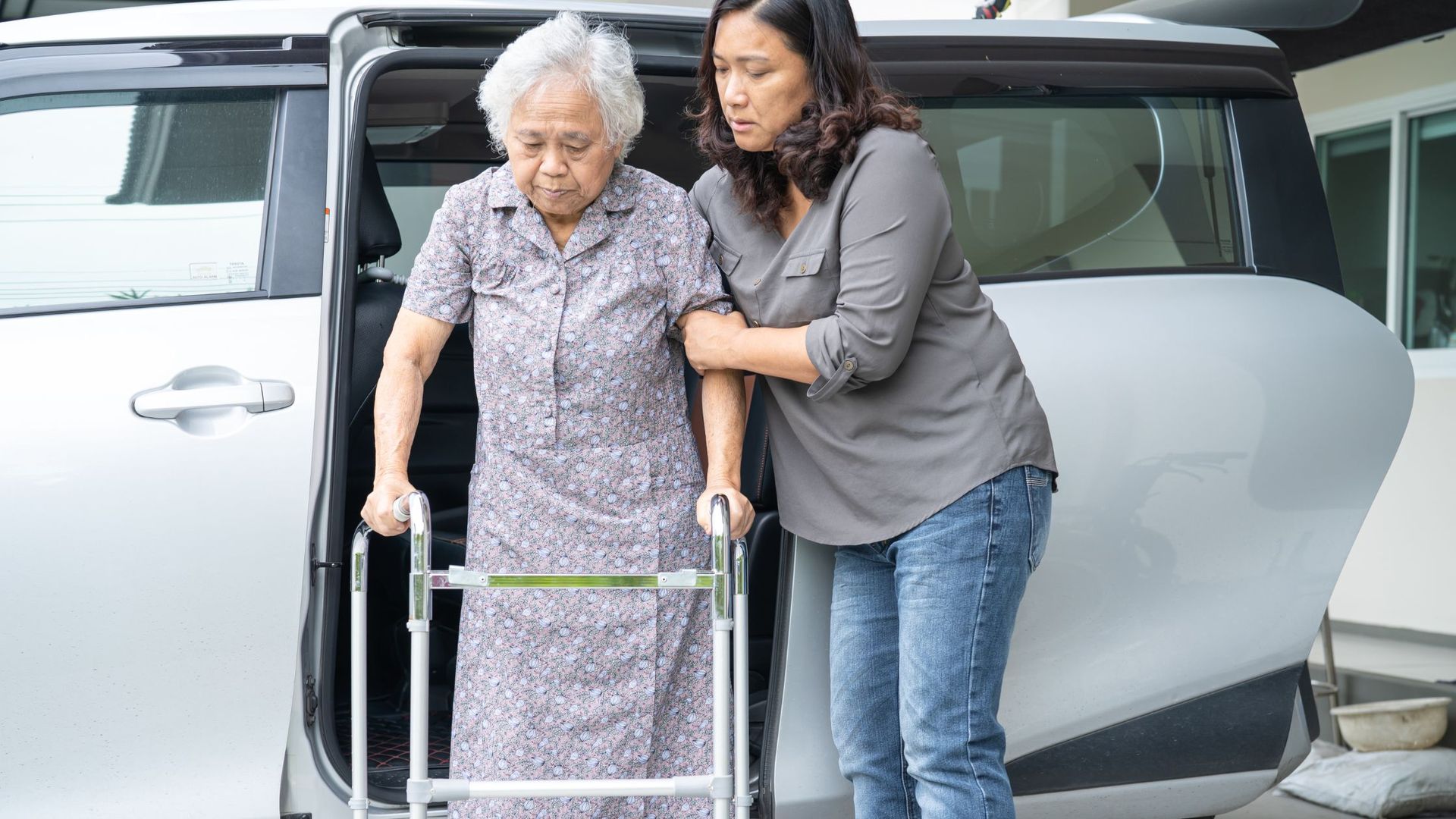
But aging often brings challenges that go beyond what one person can reasonably take on:
- Medical needs
- Mobility limitations
- Memory changes
- Safety concerns
At a certain point, it’s not just about effort, it’s about capacity.
No amount of love changes the fact that some situations require more than one person can give.
Feeling guilty doesn’t mean you’re falling short.
More often, it means you’re trying to do right by someone who matters to you.
Doing your best doesn’t mean doing everything yourself
This is one of the hardest shifts for caregivers to make.
We tend to equate “doing your best” with doing everything. But those aren’t the same thing.
Doing your best means making sure your loved one is safe, supported, and cared for in a way that can actually be sustained.
And sometimes, that includes help.
Trying to carry it all on your own might feel like the right thing, but over time it usually leads to exhaustion, not better care.
Caregiving tasks aren’t the same as showing love
It’s easy to blur the line between love and responsibility.
The day-to-day tasks matter:
- Managing medications
- Preparing meals
- Helping with bathing
- Keeping a constant eye on safety
But when you’re doing all of it alone, something often gets lost in the process.
The more you stretch yourself to cover every task, the less energy you have left to simply be with them.
Support can change that dynamic:
- From overwhelmed caregiver → present daughter, son, or spouse
- From constantly “on duty” → able to share meaningful moments
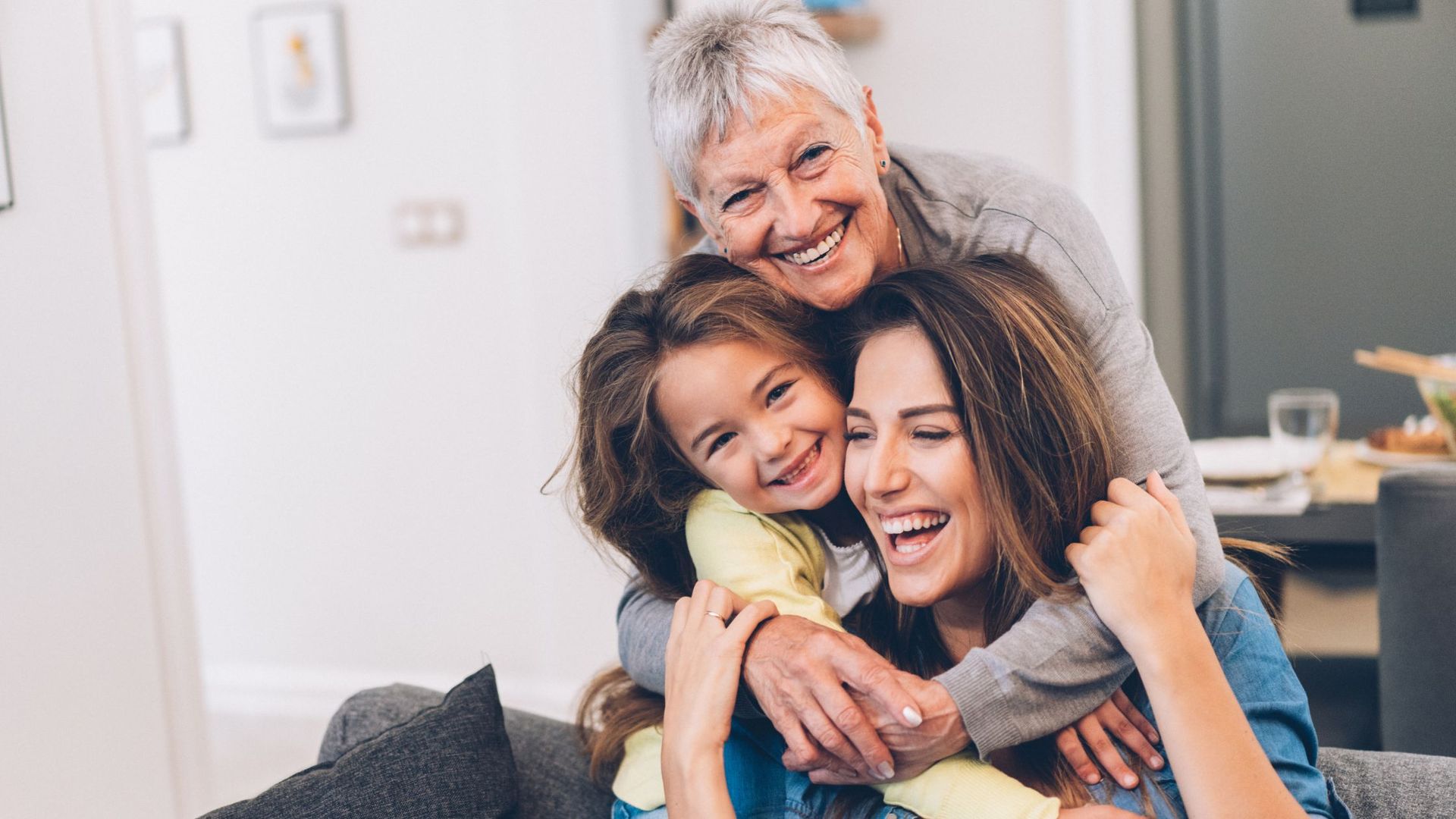
And those moments are usually what people remember most.
Burnout is a signal not a failure
Burnout rarely shows up all at once. It builds slowly, and it’s easy to dismiss at first.
It might look like:
- Feeling tired all the time, no matter how much you rest
- Getting irritated more easily than usual
- Trouble falling or staying asleep
- Feeling overwhelmed by things that used to feel manageable
- Moments of resentment followed by guilt
None of this means you don’t care. It means you’ve been carrying too much for too long.
And pushing through it doesn’t fix it, it usually just makes everything more overwhelming.
Accepting help is part of good caregiving
Support isn’t a last resort. It’s part of a sustainable plan.
That support might look like:
- Professional in-home caregivers
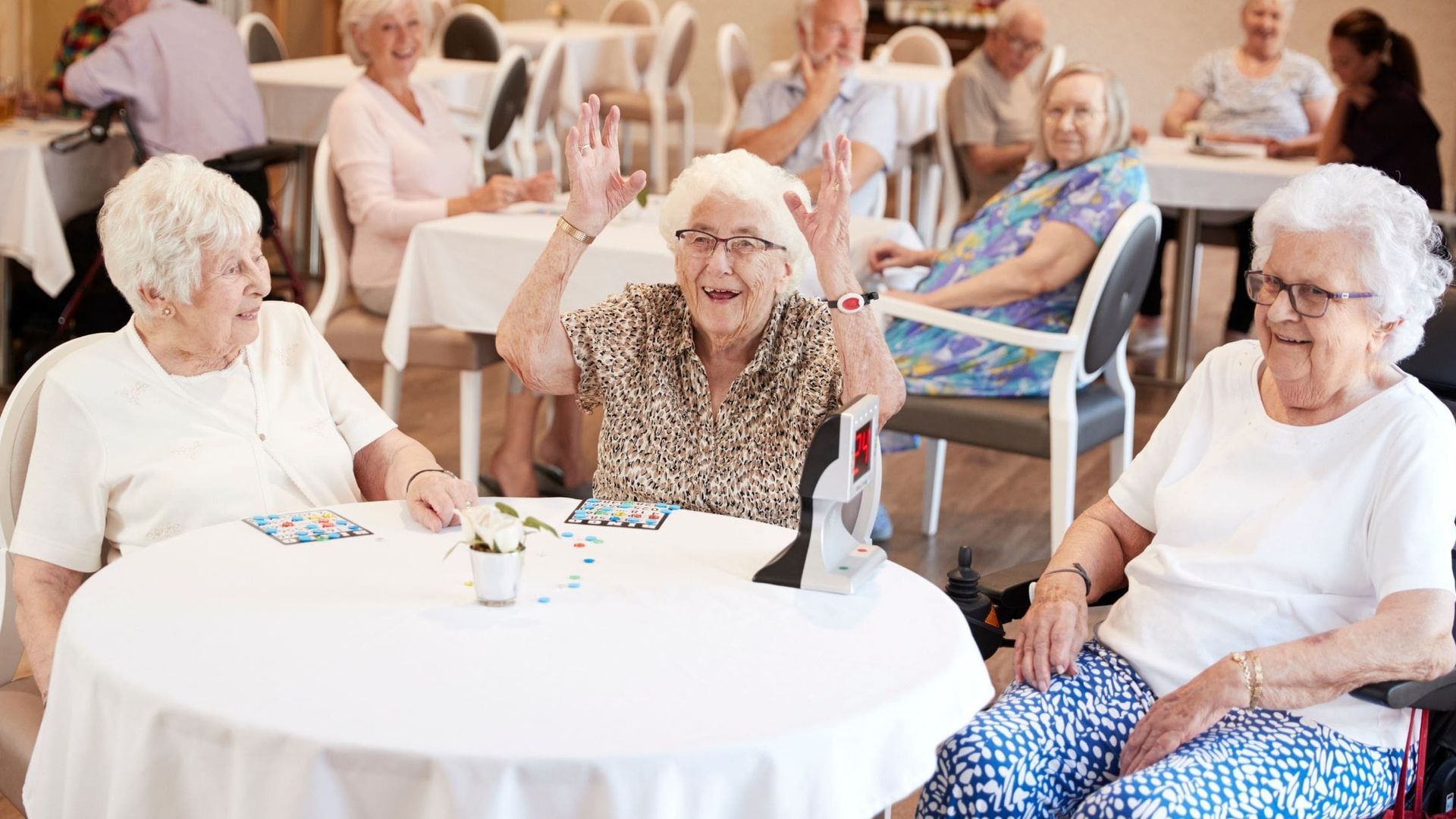
- Adult day programs
- Respite care
- Community-based resources
These options exist for a reason.
Caregiving was never meant to be a one-person job.
Accepting help doesn’t mean:
- You’re giving up control
- You’re handing off responsibility
It means:
- You’re making thoughtful decisions for the long run
- You’re protecting your own well-being along with theirs
Talking about guilt takes some of its power away
Guilt tends to grow when it stays in your head.
Saying it out loud to a sibling, a friend, a support group, or a professional can shift things more than you might expect.
At some point, most caregivers come to the same realization: needing help is normal.
Not selfish.
Not weak.
Just human.
You don’t have to carry this alone
There’s a common idea that love means doing everything yourself.
But in reality, love often looks like making thoughtful, sometimes difficult decisions that support everyone involved.
When caregiving is shared, everything changes:
- There’s more patience
- More energy
- Less strain on relationships
- More room for meaningful time together
At No Place Like Home Senior Services, we understand how difficult these decisions can feel. If you need guidance, want to explore your options, or just need someone to talk it through with, we’re here.
Our goal is simple:
Make sure your loved one is cared for while you’re supported, too.