Transition to home program
Coming Home After the Hospital
Expert, Hands-On Support During the Most Important Two Weeks of Recovery
"My dad needed help with laundry, light cleaning and food. He also couldn’t drive anymore and needed transportation to his dialysis appointments. I cannot say enough good things about No place Like Home..."
-- Amy Burnett
We're here to help!
Don't wait: call 919-762-0035 or tell us how we can help, below...
Contact Us

The Hospital Stay Is Over. The Hard Part is beginning.
15-20% of people are hosptialized within 30 days of discharge. We help reduce your loved one’s chances of being one of those who are rehospitalized
Hear from Irene
Why we built the transition-to-home program
Irene Brooks, owner and founder of No Place Like Home Senior Services, has guided hundreds of families through the difficult days following a hospital stay. Here's what she wants you to know before your loved one comes home.
No Place Like Home Senior Services
More successful transitions
For most families, the moment a loved one is discharged from the hospital brings a wave of mixed emotions. There's relief, but also uncertainty.
Who's tracking the discharge instructions? Is the house ready? Has anyone scheduled the follow-up PT and OT? What about medications?
That gap between "leaving the hospital" and "settled at home" can be stressful.
At No Place Like Home Senior Services, we've helped hundreds of families through exactly this moment. Our Transition to Home Program is two weeks (or more if needed) of expert, relationship-centered support designed to make the journey from hospital to home as safe, easy, and well-coordinated as it should be.
You focus on your loved one. We'll handle the rest.
What the Transition to Home Program Includes
For approximately two weeks following discharge, our care team, supervised by a registered nurse, provides needed support for your loved one to make sure nothing falls through the cracks.
Through it all, Family Communication is at the heart of the Transition to Home Program. We keep family members informed throughout the two weeks, so no one is left guessing about how their loved one is doing.
Here's what you can expect:
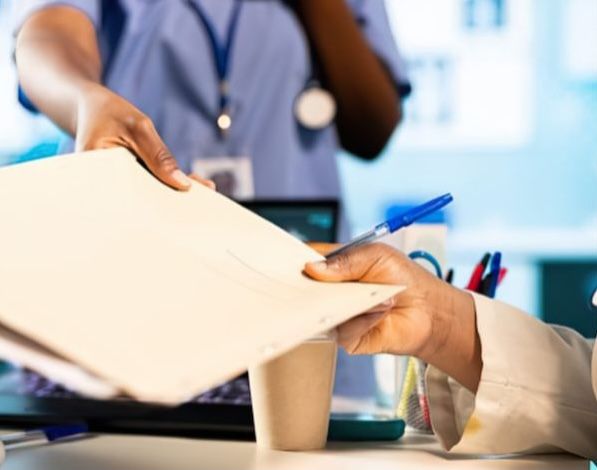
Discharge coordination
We connect directly with the hospital social worker to gather, clarify, and make sense of discharge instructions before your loved one ever leaves the building.
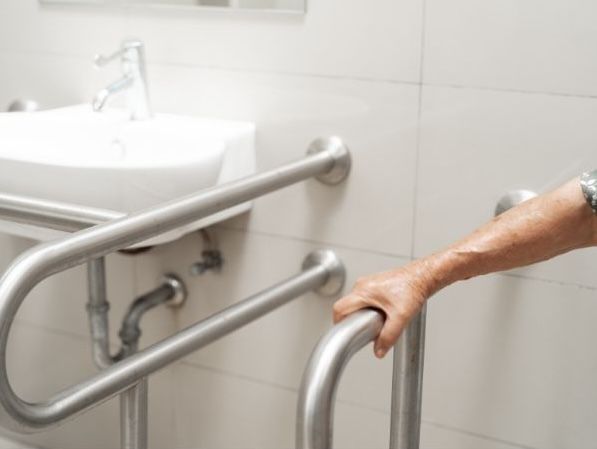
Home Preparation
We arrive at your loved one's home before they do, arranging the bedroom, bathroom, dining and main living spaces for safe and easy access from day one.

homecoming support
We're there when they walk through the door, providing hands-on help getting settled and comfortable in their own space.
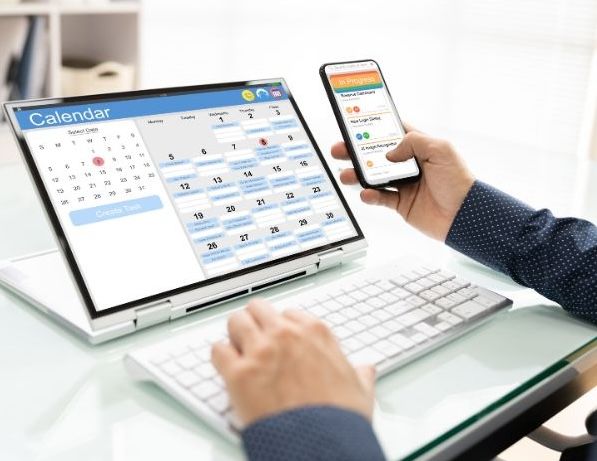
o.t. and P.T. Scheduling
We coordinate outpatient Occupational Therapy and Physical Therapy appointments so recovery stays on track and nothing gets delayed or missed.

Daily Companionship
Our RN-supervised team organizes prescriptions, provides daily reminders, and ensures medications are filled and on schedule during the period when routines are still being reestablished.

daily check-ins
Depending on the level of support needed, we visit in person each morning and/or afternoon — or check in by phone when that's the right fit.
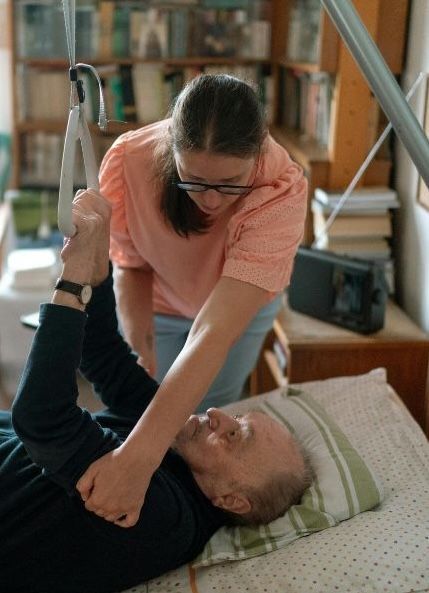
How the Program Works
Step 1 — We Start Before They Leave
As soon as we know a discharge is coming, we're in motion. We connect with the hospital team to fully understand your loved one's needs, medications, and any restrictions so nothing gets lost in the handoff.
Step 2 — We Prepare the Home Before your loved one arrives home, we visit to make sure the space is ready. That means adjusting furniture, clearing pathways, and setting up key areas so those first moments home feel calm and safe — not stressful. We can help you learn how to use new aids and equipment, too.
Step 3 — We Stay Close for Two Weeks For approximately two weeks following discharge, our team checks in daily, in person or by phone, monitoring progress, managing medications, coordinating therapy appointments, and keeping the family informed every step of the way.
Frequently Asked Questions About Coming Home From the Hospital
Q: What is the Transition to Home Program?
The Transition to Home Program is a two-week structured care and coordination service for seniors returning home after a hospital or rehabilitation stay. Our team works with the hospital's discharge team, prepares the home before your loved one arrives, provides daily check-ins, assists with medication reminders, schedules therapy appointments, and keeps family members informed throughout the process — all under the supervision of a registered nurse.
Q: Why is the time right after a hospital discharge so important?
The weeks following a hospital stay are among the highest-risk periods for older adults. Without proper coordination and monitoring, medication mix-ups, missed therapy appointments, and unsafe home conditions can lead to setbacks, or even a return trip to the hospital.
Having an experienced, RN-supervised care team in place during this window significantly reduces those risks and gives your loved one the best chance at a full recovery at home.
Q: What's the difference between what the hospital provides and what you offer?
Hospital discharge planning focuses on what happens inside the hospital. Once your loved one walks out the door, that support ends. We step in exactly where the hospital leaves off, translating discharge instructions into real-world action, preparing the home, and staying close through the full recovery window.
Q: My parent lives locally, but I'm out of state. Can you still help?
Absolutely. This is one of the situations we're built for. Many of our families are managing care from a distance. Our Transition to Home Program gives out-of-state family members confidence that their loved one has a trusted, experienced team on the ground, without requiring anyone to take weeks off work or travel back and forth.
Q: How does medication management work?
Our standard care includes medication reminders. Should you prefer a more involved approach, our RN will organize your loved one's prescriptions, for example filling the pill boxes or getting other medications lined up for the day.
We don't administer medications, but we make sure nothing slips through the cracks during the period when new routines are still being established.
Q: Does someone really come to the house before my loved one arrives?
Yes. That's one of the most important things we do. We will be waiting at the door when your loved one arrives, get them settled, and then do what’s needed to prepare each area for their needs.
We can shift movable furniture, clear pathways, and set up the bedroom, bathroom, dining area, and main living space so that everything is as safe and accessible as possible. It makes an enormous difference in those first hours home.
Q: What happens after the two weeks are over?
Many families find that even after the immediate transition period, a level of ongoing support continues to make sense. If that's the case, we'll have a conversation about whether in-home care can be helpful going forward.
There's never any pressure, just a frank discussion about what will serve your loved one best.
Q: How quickly can you get started?
Quickly. That said, if a discharge is coming up soon, don't wait to reach out! The earlier we connect, the more we can do to make sure everything is in place before your loved one comes home.
If a discharge is coming, let's talk.
Whether the discharge is days away or you're planning ahead, a quick conversation can make all the difference. We'll listen, answer your questions, and let you know exactly how we can help.
Need Ongoing Support After the Transition?
For some families, the Transition to Home Program is the beginning of a longer care relationship. If it becomes clear that a higher level of ongoing support is the right next step, our in-home care team is already here, and already familiar with your loved one.




Where we serve
We serve Wake, Johnston and Harnett Counties in North Carolina. Our office is located in Garner, but we have a network of professional caregivers across the Triangle. Let us know where you are, and we will let you know if we have someone near you that matches your specific needs.
We are proud to serve Fuquay-Varina, Clayton, Garner, Benson, Apex, Cary, Knightdale, Zebulon, Holly Springs, Wendell and Raleigh.

Have a question? Send us a message and we’ll get back to you shortly.
We're here to help!
Give us a call today or fill out the contact form so that we can respond to your needs as quickly as possible.
Contact Us
Hours of Operation
Monday - Friday 9:00 - 5:00