
When a loved one is discharged from the hospital, it can feel like a relief… and a sudden responsibility all at once.
You may be handed paperwork, instructions, and medications—and then expected to manage it all at home.
If you’re feeling unsure about what comes next, you’re not alone.
Many of our families find this transition to be one of the most overwhelming parts of the care journey.
This guide will walk you through what to expect, what to watch for, and how to make the transition home, wherever you live in Wake or Johnston County, as safe and smooth as possible.
What Does "Discharge" Really Mean?
Being discharged from the hospital means your loved one no longer requires acute (around-the-clock) medical care—but it doesn’t necessarily mean they’re fully recovered.
In fact, the days and weeks after discharge are often when the most support is needed. Your loved one may still be:
- Weak or unsteady
- Managing new medications
- Healing from surgery or illness
- At risk for complications or readmission
What the Hospital Will Typically Give You
Before leaving Wake Med, UNC/Rex, the V.A., or any local hospital, you should be sure you receive a discharge plan. This usually includes:
- Medication instructions (what to take, when, and how)
- Follow-up appointments with doctors or specialists
- Care instructions (wound care, diet, activity level)
- Warning signs to watch for
- Equipment recommendations (walker, hospital bed, etc.)
TIP: Don’t hesitate to ask questions before you leave. Once you’re home, it’s much harder to clarify details.
Planning Ahead:
Questions to Ask Before Discharge
If you’re still at the hospital, consider asking:
- What level of care will my loved one need at home?
- Are there activity restrictions?
- What equipment should we have ready?
- Who do we call with questions after discharge?
- What are the most important warning signs to watch for?
Getting clarity upfront can prevent unnecessary stress later.
Supporting a Safe Recovery at Home
A successful transition home isn’t about doing everything perfectly—it’s about having the right support in place. For many families in Wake & Johnston County, that means building a small care team that may include:
- Family members
- Medical providers
- Home health services
- Professional caregivers
Together, this support system helps ensure your loved one can recover safely, comfortably, and with dignity.
The First 48 Hours at Home:
Why They Matter Most
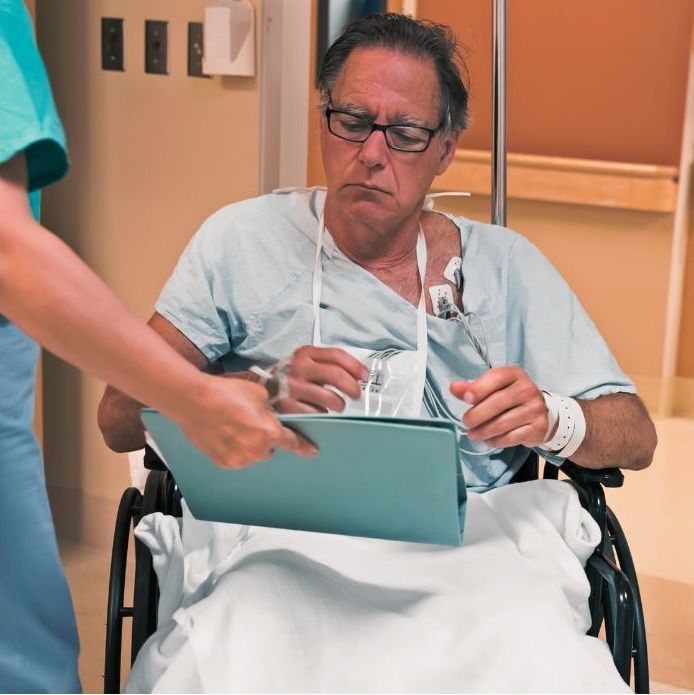
The first couple of days after discharge are critical. You’re likely feeling tired and anxious, and working to manage new routines.
Families often discover:
- Instructions are confusing or incomplete
- Medications are difficult to manage
- Your loved one’s mobility is more limited than you expected
- Your home environment isn’t as fully set up for safety as you need it to be
If you experience any of these, know that it’s really common. Even with the best of intentions, things can get bumpy after hospital discharge.
Not to scare you, but it’s a reality that there is a higher risk of falls, medication errors, and hospital readmission during this re-entry period.
Having extra support can make a significant difference to your loved one’s well-being—and your own!

Common Challenges Families Face
Even the most prepared families can run into unexpected hurdles. These are the most common challenges we see families facing upon hospital discharge:
- Medication Management: New prescriptions, dosage changes, and timing schedules can be overwhelming.
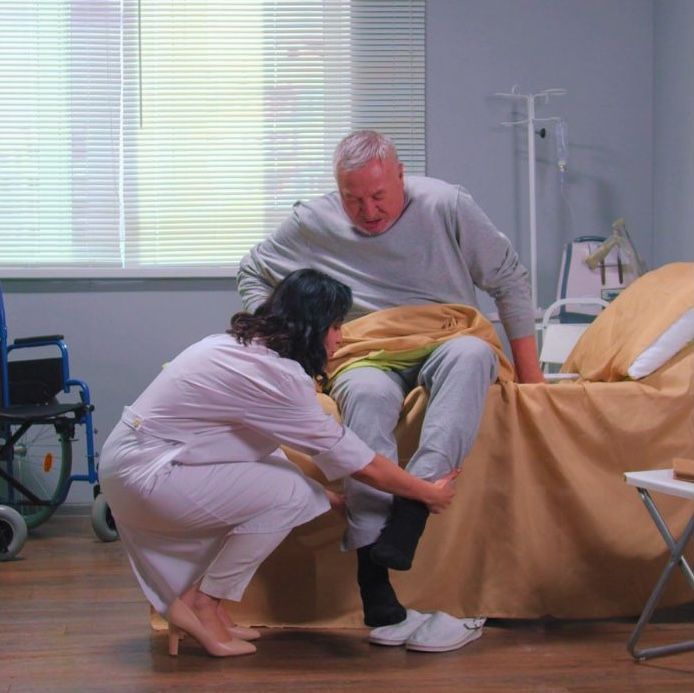
- Mobility and Fall Risk: Your loved one may need help getting in and out of bed, using the bathroom, or navigating stairs.
- Personal Care Needs: Bathing, dressing, and grooming may suddenly require assistance.
- Nutrition and Hydration: Appetite changes or dietary restrictions can make it harder to maintain proper nutrition.
- Emotional Adjustment: It’s common for both the individual and family members to feel anxious, tired, or uncertain. Family members may also have a harder time persuading their loved one to “follow the rules.”

Did you know that No Place Like Home Senior Services has been here for help at home in Holly Springs, NC all along?
Give us a call at 919-762-0035 or
email us to explore getting help with:
Help with errands,
Appointments & keeping up
companionship, Activities & Interests
maintaining good health & hygiene
tailored quality of life programs
What Support Might be Needed at Home?
Depending on your loved one’s condition, support can range from occasional help to more consistent care. Many Wake & Johnston County families find it helpful to have assistance with:
- Safe transfers and mobility support while getting around the house
- Meal preparation and medication reminders
- Light housekeeping and laundry
- Transportation to follow-up appointments
- Companionship and reassurance
In some cases, skilled services like nursing or physical therapy may also be needed.
Signs Your Loved One Might Need Extra Help
You may want to consider additional support if you notice:
- Missed or incorrect medications
- Difficulty walking or frequent unsteadiness
- Trouble keeping up with hygiene or meals
- Increased confusion or forgetfulness
- You (as a caregiver) feeling overwhelmed or exhausted
These are early indicators that more support could improve safety and quality of life, and reduce the likelihood that your loved one will need to be readmitted.
A final word of encouragement
Yes, this process can feel like a lot. You’re stepping into a role that requires attention, patience, and care, often with very little preparation.
The good news is: you don’t have to do it alone.
Having guidance, support, and even a few extra hands during this transition can make all the difference—for your loved one, and for you. If we can help, please give us a call.

Let's talk it through, together
If you think it may be time for some extra help for your loved one, we’re here to help you explore your options. Home care doesn’t have to be all or nothing, but it is very important that the help you get is from someone you can trust.
Nothing against getting help from friends, but it’s wise to be cautious to ensure your family’s safety and security.
There’s no cost to talk it through together. So book your Q&A call today.

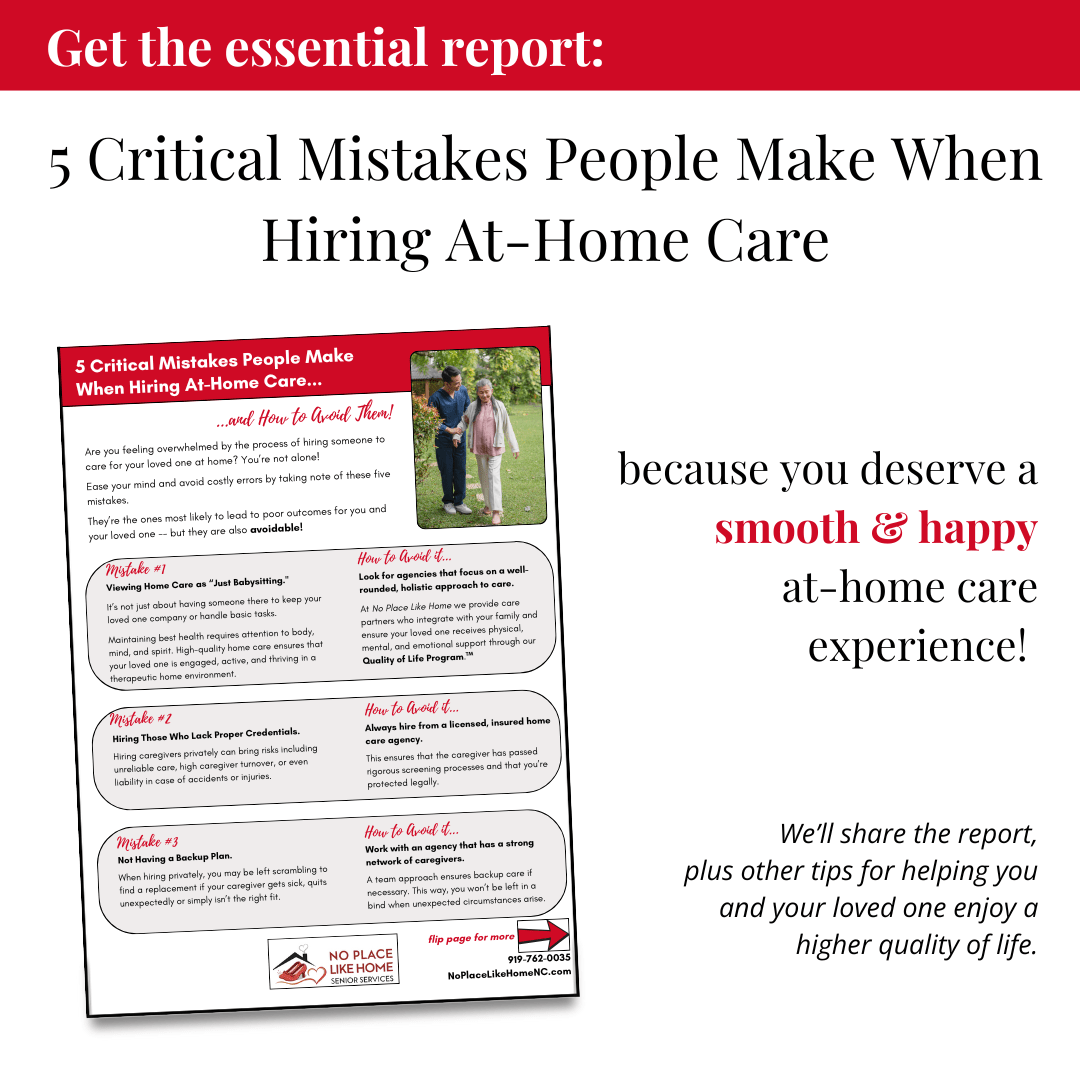
Complete the form below; we'll email you the report right away.
